5 Lessons From a Solo Rust Base Built Next to Oil Rig
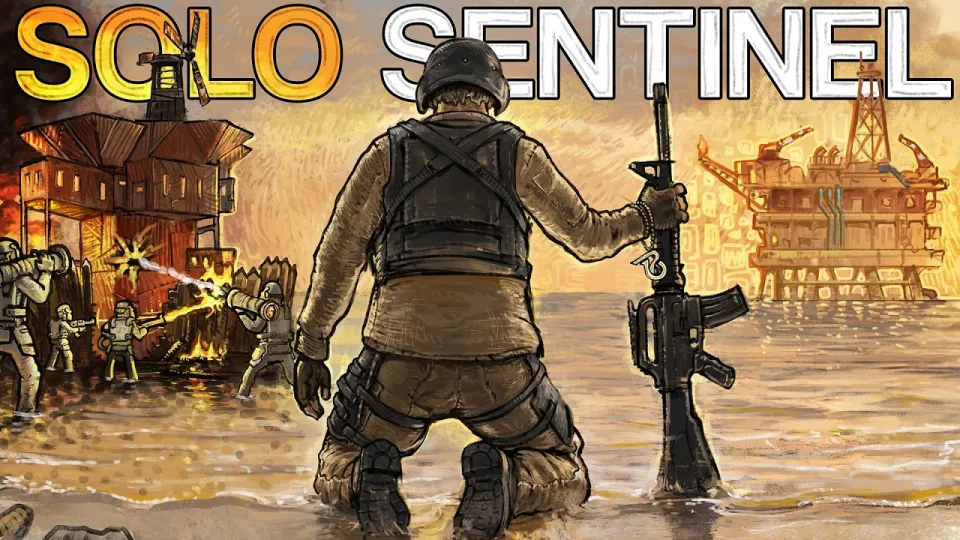
Video: The Solo Sentinel - Rust
Want articles like this for your own video to promote it on YouTube and Google? Order them through the Telegram bot @sat_sit_bot. Articles with your video embedded are written and posted by the bot itself — on popular topical sites (no ads). Try it free: 50 articles on us.
· based on the channel Blooprint
Key takeaways
- Blooprint built and defended a solo base directly next to the oil rig monument on a fresh wipe.
- Solo play means every callout and every decision is spoken to the viewer, with no team comms to hide behind.
- Late-night raids on the base came from players sending rockets before logging off.
- Turret coverage and layered doors mattered more than raw loot when the base was attacked.
- The video was published on 13 July 2026 and is a full solo wipe story rather than a team montage.
A solo Rust base next to oil rig works when you treat the monument as your loot pipeline and your base as a layered bunker: build close enough to contest the rig, keep turrets covering every approach, and expect raids from players who want your position rather than your loot. In Blooprint's solo wipe story The Solo Sentinel, that formula is tested by rockets at three in the morning and by the constant pressure of being the only defender on the door. You can follow the same runs live over on Blooprint's Twitch channel.
Why oil rig is the right neighbour for a solo base
Oil rig is one of the highest-value monuments in Rust, and living beside it turns a long boat trip into a two-minute commute. A solo player cannot farm the rig endlessly, but building within sight of it changes the economics of every wipe: you can check whether the crates are up, hear boats arriving, and reset after a failed run without losing the whole session to travel time.
The trade-off is attention. A base next to oil rig is a landmark, and landmarks get scouted. Every group that sails past sees your footprint, and every solo who gets killed on the rig knows roughly where you live. That is exactly why the base in the video is not a small starter shack with a sleeping bag — it is a compact but deliberately layered structure with turrets doing the work a second and third player would normally do.
Five things a solo base near a monument must get right
- Placement over size. A smaller footprint with tight external walls beats a sprawling compound that needs four people to cover. Fewer angles to watch means fewer ways to lose the base while you are offline.
- Turret coverage on the water side. Oil rig traffic arrives by boat, so the approaches from the shore and the sea need the first turrets. A turret that only watches the front door is decoration.
- Layered doors and a real airlock. Every extra door is time bought during a raid. The difference between losing a loot room and losing a wipe is often one honeycombed wall.
- A stash outside the core. Solo players who keep everything in one room lose everything in one raid. Small caches, a secondary sleeping bag and a backup kit change the recovery time from hours to minutes.
- A reason to leave. A base next to oil rig is only worth it if you actually run the monument. Sitting inside farming sulfur all wipe wastes the position.
How to defend a solo base when the rockets arrive
Defending alone is a sequence, not a single decision. First, identify the direction of the attack before you shoot — firing blindly tells the raiders exactly where you are standing. Second, use the turrets as a warning system: when one starts firing, you know which wall is being tested and can reposition instead of guessing.
Third, accept that some raids cannot be won. In the video, the attackers commit real resources — rockets, not just satchels — and the defense becomes a fight over time rather than a fight over loot. A solo defender who moves loot to a backup stash during the first lull in the shooting loses less than one who stands on the roof and trades shots until the core opens. Fourth, repair and reseal immediately after the raid ends; a base with a hole in it is a base that gets finished off an hour later.
What solo Rust content gives viewers that team videos do not
The appeal of a solo wipe is the running commentary. With no teammates to talk to, every thought — why this wall, why this turret angle, why abandon the rig run — is said out loud to the audience, and that turns a gameplay video into something closer to a guided decision log. Viewers repeatedly point out that they learn more from a solo narrative than from watching a trio snowball to endgame gear in twenty minutes.
There is also the struggle factor. A solo loses kits, gets countered on the rig, and comes back with a bow. That loop is relatable to anyone who plays alone, and it gives the video a story arc that a highlight montage cannot match. The base design itself becomes a character: viewers recognise the underwater approach and the turret layout, and some report copying the layout on their own weekly servers.
Common questions from solo players watching this wipe
Is it worth building next to oil rig as a beginner? It is worth building near a monument you can actually run. If you cannot clear the rig's scientists reliably, the position becomes a magnet for better players without paying you anything.
How many turrets does a solo base need? Enough to cover every approach you cannot physically watch. Most solo builds settle on two to four, powered and loaded before the first night.
What do you do when a group shows up with rockets? Move loot to the outside stash, keep the turrets firing, and defend the doors rather than the roof. If the core is going to fall, make the raiders pay in explosives for every room.
Do you need a team to hold a monument base? No, but you need discipline: offline-safe storage, a backup spawn, and a rule against hoarding everything in one loot room.
All the links from the video
- Twitch: https://www.twitch.tv/blooprint
- Kick: https://kick.com/blooprint
- TikTok: https://www.tiktok.com/@blooprintgames
- Twitter: https://twitter.com/blooprintgames
- Discord: https://discord.gg/blooprint
Final thoughts on holding ground alone
The Solo Sentinel is a reminder that solo Rust is not a weaker version of group play — it is a different discipline built on placement, patience and redundancy. A base beside oil rig only works if the turrets, the stash and the exit plan are all in place before the first rocket flies, and the video shows how quickly those preparations get tested. Blooprint's breakdown is worth watching for the decision-making as much as the fights, especially if you have ever wondered how one player survives a wipe surrounded by groups. If you want to see the next solo run unfold live, head to Blooprint on Twitch and follow along from wipe day.
Source: The Solo Sentinel - Rust · Markdown version
Questions & answers
Is it viable to build a solo base right next to oil rig in Rust?
Yes, but only if you can actually run the monument. Building beside oil rig gives you fast access to high-tier crates and short travel times, at the cost of being scouted constantly. A compact, layered base with turrets covering the water approach is what makes the position survivable for one player.
How do you defend a solo base against a rocket raid?
Identify the attack direction before firing, let turrets reveal which wall is being tested, and move loot to an outside stash during any lull. Defend doors rather than the roof, and reseal the base immediately after the raid so a second group cannot finish the job.
Why do viewers prefer solo Rust videos over team content?
Solo videos keep the creator talking directly to the audience, so every decision is explained out loud instead of being buried in team comms. That makes the wipe easier to follow for players who do not know the game well, and the losses and recoveries feel more relatable.
What should a solo player prioritise when building near a monument?
Prioritise placement and redundancy over size: a small footprint, honeycombed walls, several doors, two to four powered turrets and a backup stash with a spare kit. A base that can be recovered in minutes is worth more than one that holds more loot in a single room.