5 lessons a solo Rust builder learns against 200 hunters
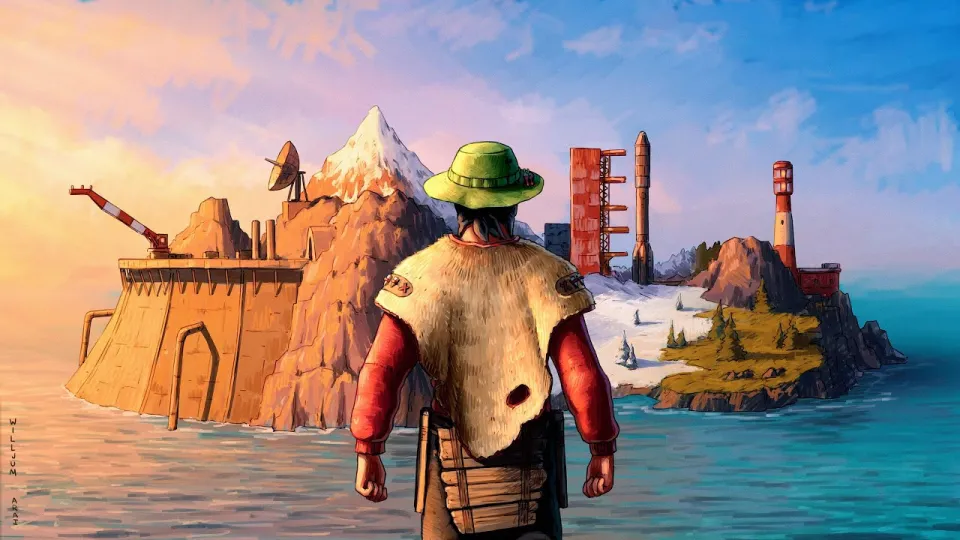
Video: When a Solo Rust builder Vs 200 Hunters...
Want articles like this for your own video to promote it on YouTube and Google? Order them through the Telegram bot @sat_sit_bot. Articles with your video embedded are written and posted by the bot itself — on popular topical sites (no ads). Try it free: 50 articles on us.
· based on the channel Willjum
Key takeaways
- Willjum's challenge pits one solo builder against roughly 200 hunters on a server built for the event.
- The builder gets a head start to gather, design and fortify before the hunt begins.
- Solo survival in Rust depends on base layout, honeycomb and multiple loot rooms, not on aim.
- Friendly players can deliver gear and materials mid-raid, turning a 1v200 into a supply chain.
- Viewers pushed for a sequel with longer prep time and duo or trio versions of the same format.
Rust is a survival game where a solo player normally fights squads of two to eight, so a solo builder facing roughly 200 hunters is an extreme version of the same problem: you cannot out-aim a crowd, you can only out-build and out-plan it. In Willjum's challenge video the lone builder gets a head start to gather, design and fortify a base while a large hunter force prepares to tear it down, and the result is a compact lesson in how solo Rust survival actually works. If you want to support more experiments like this one, the creator's Patreon page is where the channel's extra projects are funded.
The format matters because it removes every crutch a solo player usually leans on. There is no teammate to watch the door, no second set of hands for a raid defence, and no clan vault to fall back on. Everything the builder achieves comes from preparation done before the first hunter reaches the walls.
Why a 200-hunter hunt is a base-building test and not a gunfight
A solo player cannot win a straight fight against a large group, so the entire challenge shifts the win condition to structure, layout and time. In Rust, a base is only as strong as its cheapest path to the loot, and hunters will always take that path rather than the one the builder intended. That is why the solo builder's real advantage is not a better weapon but a base that costs more to break than the attackers expect to spend.
The practical takeaway for any solo wipe is simple: assume the enemy knows your floor plan. Design as if the raiders have already seen the layout, then make the cheapest route expensive anyway.
5 building rules that decide a solo defence
These five rules are the ones that separate a base which survives a crowd from a base which feeds one.
- Honeycomb before decoration. Extra layers of cheap walls around the core force attackers to spend explosives on nothing. A solo builder should never finish a room before the shell around it is complete.
- Split the loot. One large loot room is a single raid target. Several small, spread-out stashes mean a group that breaks one wall still leaves with very little.
- Build upward and inward. Vertical separation slows a group because every floor needs its own breach. A compact multi-storey core is harder to sweep than a wide single-floor base.
- Keep a working exit. A solo defender who gets trapped inside their own base loses the fight without firing a shot. Doors, ladders and a secondary entrance are part of the defence, not a luxury.
- Match the base to the threat. A base built against a raid squad looks different from one built against a swarm of roaming hunters. The challenge format forces the second design, and that is why the layout in the video reads as unusual.
How preparation time changes the outcome
The single biggest variable in a solo-versus-many scenario is how long the builder gets before the hunt starts. Viewers of the video asked for a rematch with a longer preparation window, and the reasoning is sound: in Rust, every extra hour converts directly into walls, doors, traps and backup loot.
A useful way to think about prep time is in phases. The first phase is tools and a starter base, the second is resource gathering at scale, and the third is the actual fortification of the final position. A solo player who spends all of phase one and two on comfort will enter phase three with an unfinished shell, which is exactly the mistake a large hunter group punishes. The challenge compresses these phases on purpose so the audience can watch the trade-offs happen in real time.
Supply runs and the value of a friendly stranger
One of the most discussed moments in the video is a player who brings the solo builder gear and materials mid-challenge. That detail matters more than it looks, because Rust's economy is the real bottleneck for a solo player. A single delivery of rope, gears or components can save an hour of farming and turn a stalled build into a finished one.
For solo players on live servers, the lesson is to treat neutral players as infrastructure rather than background noise. A short conversation at a monument, a fair trade and a remembered name can produce exactly the kind of delivery that keeps a base standing. Diplomacy is a survival skill in Rust, and it scales better than aim when the numbers are against you.
What the challenge reveals about solo Rust in 2026
Solo Rust in 2026 is still a game of information and patience, and the hunter format makes that visible. A large group has numbers, but numbers also mean coordination costs, travel time and a lot of players who want the loot rather than the fight. A solo builder who forces the group to spread out, split up and spend resources on empty rooms is already winning the economic side of the raid.
The video also shows why solo content remains popular: the stakes are legible. One player, one base, one countdown. There is no clan drama to follow, only the question of whether the walls hold long enough.
Common questions about the solo-versus-hunters format
Most of the debate around the challenge comes down to fairness and repeatability. Some viewers wanted the same run as a duo or trio, others wanted a longer preparation phase, and a few asked whether a solo player can realistically hold a base against a crowd at all. The honest answer is that the format is designed to be lopsided, and the interesting part is how far preparation can close the gap before the numbers take over.
A second recurring theme is whether the builder should fight or hide. In practice, a solo defender who leaves the base to chase kills gives up the only advantage they have, which is the structure itself. Staying inside, repairing, and forcing the attackers to commit is almost always the better trade.
Useful links
- Willjum on Patreon for bonus content and support
- Willjum on Twitch for live sessions
- Willjum on Twitter for updates
- Creative Commons Attribution 4.0 for the music licensing terms referenced in the video
Final thoughts on the solo builder experiment
The solo-versus-200-hunters challenge works because it strips Rust down to its core loop: gather, build, defend, repeat. Willjum turns that loop into a story with a clear clock, and the base design on display is a practical reference for any solo player preparing for a wipe where the numbers are not on their side. If the format returns with a longer prep window or a duo version, the lessons above will still apply. To keep projects like this one going, consider supporting the channel through Patreon.
Source: When a Solo Rust builder Vs 200 Hunters... · Markdown version
Questions & answers
Can a solo player really survive against 200 hunters in Rust?
Not by fighting them directly. Survival depends on a base that makes every raid path expensive, split loot so a breach yields little, and enough preparation time to finish the shell before the hunt starts. The format is deliberately lopsided, and the point is how far preparation closes the gap.
What is the most important building rule for a solo base?
Honeycomb and layered walls around the core come first, because they force attackers to spend explosives on empty space. After that, split the loot across several small rooms and keep a working exit so the defender is never trapped inside their own base.
Why does preparation time matter so much in this challenge?
Every extra hour converts into walls, doors, traps and backup loot. With a short window the builder is still finishing the shell when hunters arrive, while a longer window lets a solo player complete fortification and stockpile resources for repairs.
Do friendly players actually help a solo builder?
Yes. A single delivery of gears, rope or components can save an hour of farming and finish a stalled build. Treating neutral players as potential trading partners rather than targets is a real survival tactic when the numbers are against you.